"Why can't you speak English even though you know grammar?"
“Many of us have been studying English grammar since childhood, yet we are still unable to speak the language fluently. “This is a common problem we face. “But have you ever wondered why, despite years of studying grammar, we still can’t speak English fluently?”
Because we focus so much on grammar rules and sentence structures, “We never focus on its usage.” It is essential to understand how to use grammatical expressions rather than by hearting the rules.
Let's look at a few reasons why this happens.
- We study English as an academic subject, but it’s a language.
- We focus only on writing English exercises, but we fail to apply those learned concepts in real-life conversations.
- We often study grammar blindly, without knowing what level we’re at.
- Lack of practice in real-life conversations.
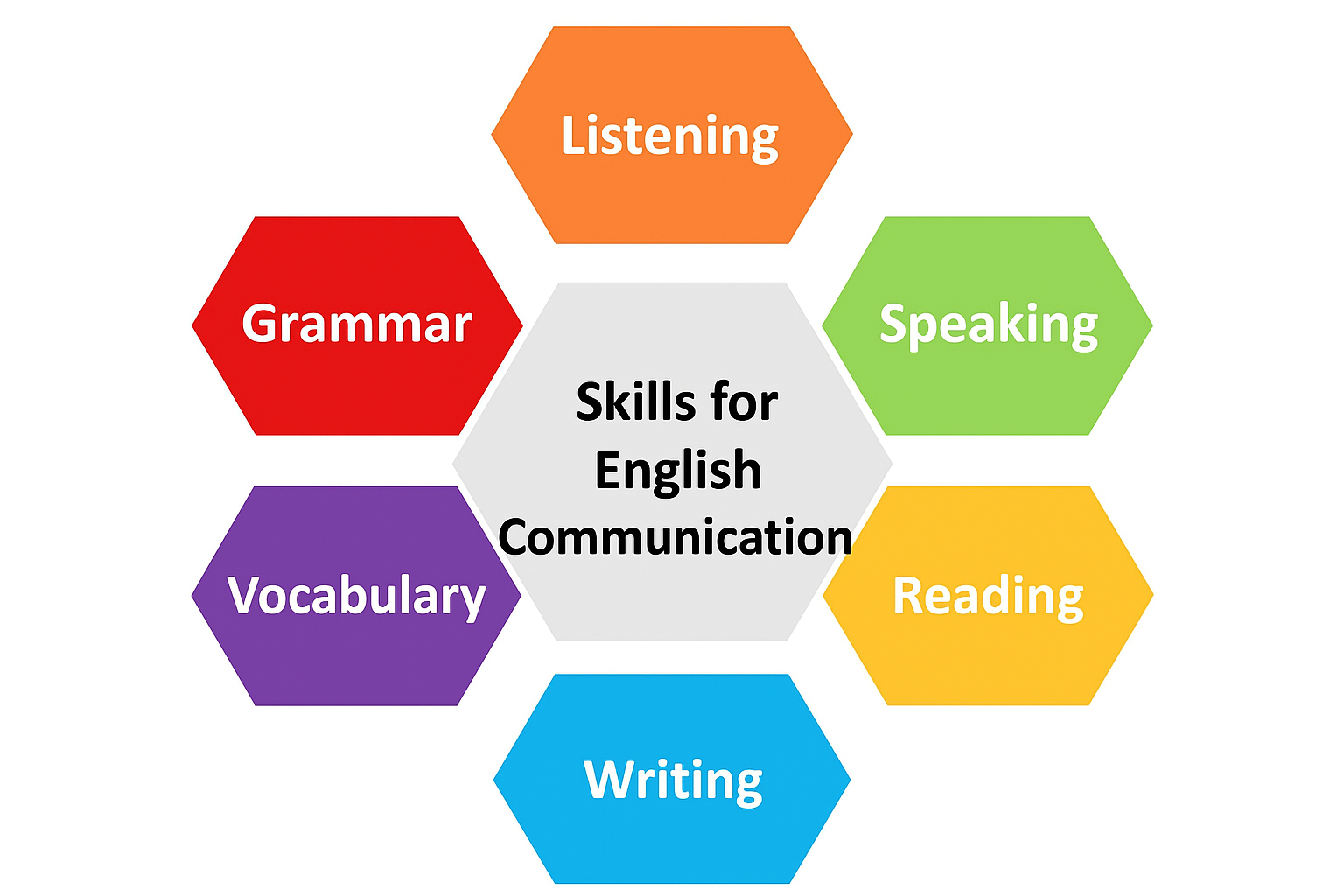
- We think grammar is everything, but it’s only one of the skills needed to learn a
language.
Let’s discuss how to solve this problem
There are some techniques to practice real-life English
🗣️imitation method
The imitation method is also very beneficial. By listening to native speakers and repeating how exactly they speak, you can improve your pronunciation, tone, and fluency. You can watch podcasts, listen to English music, and follow YouTube channels to improve your listening and speaking skills.
🪞Mirror technique
A beginner-friendly English course trusted by learners everywhere. Based on Real-life Situations with Lots of Activities. The course is designed with an unconventional teaching style, our course breaks away from outdated methods.
👀 Fluent English Speaking Course
Fluent English course – trusted by thousands of students. Based on Real-life Situations with Lots of Activities. The course is designed with an unconventional teaching style, our course breaks away from outdated methods.
By combining all these skills — grammar, listening, speaking, reading, and writing — you can confidently move toward true fluency in English.
By using these techniques and the tools mentioned in the article, you can improve your English and become a more confident speaker. Along with this, you need hard work, consistent practice, and the courage to overcome your fear of making mistakes. With time, effort, and the right approach, you will certainly improve your English.”